Septic systems are made up of two main parts: the septic tank and the drain field. While much focus is typically geared toward the septic tank (i.e., how often you need to have it pumped, what you can safely flush down the toilet, etc.), there are important things that you should know about your drain field. As a significant component of your septic system, your drain field needs proper care to avoid disruptive problems, harm the environment, and extend its life expectancy.
Below are some FAQs to help you familiarize yourself with your drain field:
What is a drain field?
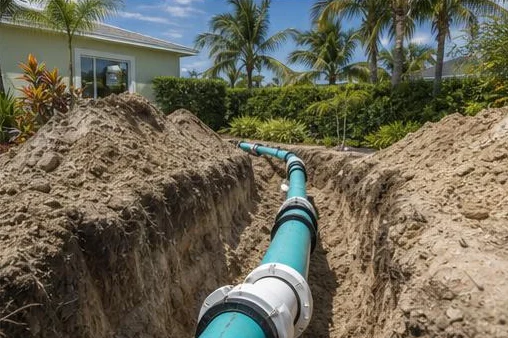
A drain field is an underground area of a system of pipes that slopes downward. Wastewater slowly seeps through sand and gravel into the ground, where naturally‑found bacteria then treat it. A drain field acts as a natural filter for wastewater. It is vital that you know the location of your drain field.
In more detail: once wastewater leaves your septic tank it enters the drain field (also called a leach field or absorption field). The wastewater flows from the tank through perforated pipes laid in trenches filled with gravel or sand, then gradually percolates into the surrounding soil. The soil and its active microbial life perform the final treatment by breaking down pathogens, nutrients and other pollutants. Without a well‑designed drain field, the septic system cannot safely return water to the environment.
It’s also important to locate exactly where your drain field is. Many homeowners neglect this part, but knowing its position on your property helps avoid damage (for instance from heavy vehicles or landscaping) and supports proper maintenance.
What is a drain field’s life expectancy?
Typically, a properly designed, installed, and maintained drain field should last at least 25 to 30 years or more. The exact lifespan depends on a number of factors: soil conditions, design quality, installation accuracy, usage level, and ongoing maintenance practices. Some guidebooks note lifespans of 20–30 years as typical, and in ideal cases even longer.
However, if the system is over‑used, neglected, or placed in poor soil (for example heavy clay or saturated terrain) its effective lifespan may be significantly shorter. Conversely, excellent design and maintenance can extend the useful life beyond 30 years. The key takeaway: the drain field is not ‘set and forget’; it requires attention if you hope to reach or exceed its expected lifespan.
Are there specific hazards to avoid with a drain field?
Yes! There are several hazards that homeowners should avoid to preserve the integrity of the drain field:
- Driving on or parking heavy vehicles over your drain field. The weight compacts the soil, crushes perforated pipes, and restricts the natural flow of effluent into the ground.
- Paving, building sheds or placing structures on top of the drain field. These block access for maintenance, interfere with absorption, and prevent evaporation and microbial activity.
- Planting large trees or deep‑rooted shrubs above or near the drain field. Roots can invade drain field pipes or distribution boxes, causing blockage, cracking or diversion of flow. Opt instead for grass or shallow‑rooted plants.
- Over‑watering or diverting excess surface water onto the drain field area. Excess moisture saturates the soil, prevents proper treatment of effluent, and leads to failure. Diversion from gutters, sump pumps or landscape irrigation is critical.
- Flushing or draining harmful chemicals or non‑biodegradable items. These can kill beneficial bacteria, clog the system or degrade the soil filtration capacity.
In short: treat your drain field area as a sensitive zone. Avoid heavy loads, keep surface water away, maintain the ground cover properly, and monitor what you flush and drain into the system.
How can I know if my drain field needs repair?
There are warning signs that often point to a failing or compromised drain field. If you notice any of the following, it’s time to act:
- Soggy soil, standing water or damp patches in the area above the drain field — this often means the soil cannot absorb effluent fast enough and wastewater is surfacing.
- Foul odour coming from the drain field area or from exterior vents — untreated effluent may be escaping or the absorption process is not working correctly.
- Lush, unusually green grass or vegetation over the drain field, while surrounding lawn looks normal — this may indicate extra nutrients or effluent reaching the surface.
- Slow draining fixtures inside the home, gurgling sounds in plumbing, backing up toilets — these interior symptoms can indicate drain field overload.
- Bad smells inside the house or yard, repeated pump‑outs or backups — these are serious red flags requiring immediate professional evaluation.
If you detect any of these signs, it is advisable to call a licensed septic professional who can inspect the entire system, assess whether the drain field is failing, and recommend repair or replacement.
Should I have my drain field inspected?
Yes! Just as your septic tank needs to be pumped and inspected every 2‑3 years, your drain field also needs to be professionally inspected. It is best to schedule both the pumping and all septic system inspections at the same time for convenience.
A professional inspection will typically:
- Validate that the drain field is receiving effluent at the correct rate and distribution.
- Check for signs of saturation, soil compaction, root intrusion, or clogged pipe trenches.
- Inspect the distribution box (if present) and the condition of outlet pipes that feed the drain field.
- Evaluate the area around the drain field for landscaping or load issues that could impact performance.
- Provide recommendations on maintaining your drain field area.
As for timing: many sources recommend inspecting the drain field every 3‑5 years, although more frequent checks may be sensible if your system is aging or you notice any warning signs.
Additional Tips for Care and Longevity
Beyond the core FAQs, here are additional best practices to extend the life of your drain field and maintain the health of your entire septic system:
- Pumping the tank regularly: Pumping every 3‑5 years (or sooner for larger households or high water use) prevents solids and scum from overflowing into the drain field, which can cause premature failure.
- Conserve water: Spread out water‑intensive tasks (laundry, dishwasher, baths), install low‑flow fixtures, fix leaks promptly. Reducing the volume of effluent entering the drain field helps avoid saturation and extends field life.
- Use septic‑safe products only: Harsh chemicals, antibacterial cleaners and non‑biodegradable waste disrupt beneficial bacteria and may cause blockages. Flush only human waste and toilet paper.
- Keep the area clear and protected: Ensure the drain field is covered by shallow‑rooted grass, avoid placing patios, pools, driveways or sheds directly above it. Protect the soil from compaction and excess moisture.
- Landscape smart: If planting over or near the drain field, choose shallow‑rooted plants, avoid large trees whose roots may invade the system, and avoid installing irrigation heads that continuously saturate the soil.
- Divert surface water: Keep roof downspouts, driveway runoff, sump pumps and irrigation systems away from your drain field. Saturated soil reduces filtration capacity and increases risk of failure.
Why this matters
Taking good care of your drain field is not just about avoiding a messy yard or replacing a system component. It’s about protecting your home, your health and the environment. A malfunctioning drain field can lead to sewage surfacing, groundwater contamination, unpleasant odors, costly repairs or even full system replacement — typically thousands of dollars.
Think of the drain field as the final filter of your home’s wastewater treatment. Without it functioning properly, the rest of the system is at risk. Proper maintenance of your drain field ensures that you protect your investment, maintain safe and clean operation of your septic system, and uphold the quality of your property and local ecosystem.